Van Loading Techniques That Cut Damage Claims
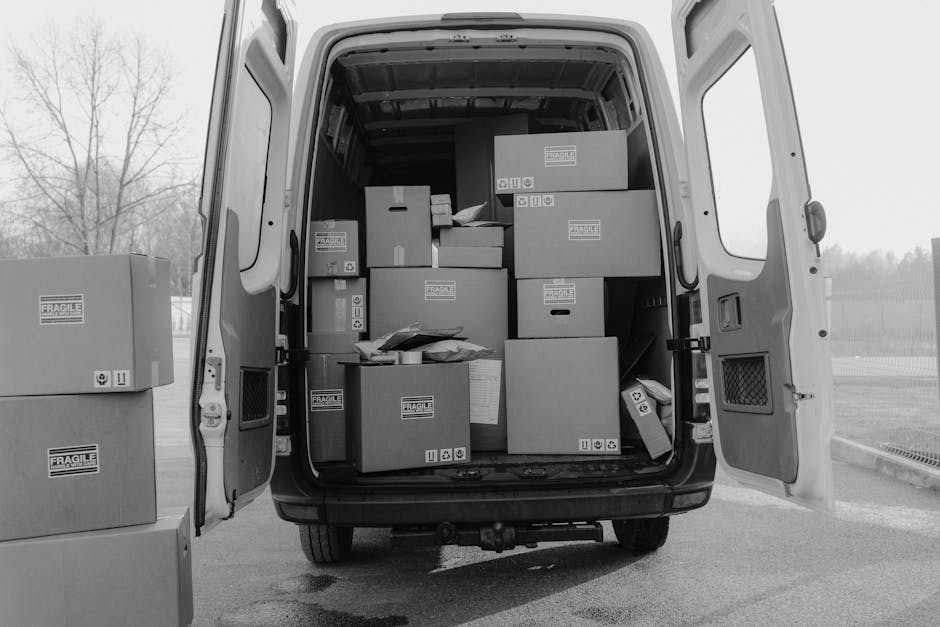
If you have ever opened a van door at the end of a move and thought, please let everything still be in one piece, you already understand the stakes. Van loading looks simple from the outside. Box in, box out. But in real life, the way cargo is stacked, braced, and balanced can be the difference between a smooth delivery and a damage claim that nobody wants to deal with.
This guide on Van Loading Techniques That Cut Damage Claims breaks down the methods that reduce breakage, shifting loads, crushed corners, scuffed furniture, and the small errors that become expensive problems. Whether you are moving a home, relocating an office, or arranging a one-off furniture collection, the principles are the same: protect the item, protect the vehicle, protect the people handling it.
Let's face it, most damage is not dramatic. It happens in the little gaps, during the quick turns, or when a heavy item is "just wedged in for now." Those are the moments that cause the headache later. The good news? A proper loading method is very teachable, and once the routine is in place, it becomes second nature.
- Why it matters
- How the process works
- Key benefits
- Who needs this
- Step-by-step guidance
- Expert tips
- Common mistakes to avoid
- Tools and resources
- Law, compliance, and best practice
- Methods comparison
- Real-world example
- Practical checklist
- Conclusion
- Frequently asked questions
Why Van Loading Techniques That Cut Damage Claims Matters
Damage claims are rarely just about the damaged item. They also create delays, awkward conversations, admin time, and sometimes a loss of trust that is harder to repair than the item itself. A scratched wardrobe or a cracked monitor may look minor at first, but if the move was for a paying customer, that minor issue can quickly become a complaint, a refund, or a reputational dent.
Good loading technique matters because a van is a moving environment. The floor vibrates, the suspension shifts, the road dips, and every stop creates a force that acts on the load. Items that look stable at the kerb can start creeping, leaning, or pressing into each other ten minutes later. That is why damage prevention begins long before the rear doors close.
In practical terms, strong loading practice reduces the most common sources of claims:
- items shifting during transit
- furniture rubbing against hard edges
- poorly distributed weight causing toppling or flexing
- breakables being stacked under heavier goods
- improper securing that leaves gaps and movement space
There is also a customer-experience angle. A well-loaded van tends to unload faster, cleaner, and with fewer surprises. If you work in moving, removals, or furniture collection, that matters just as much as the physical safety of the items. Truth be told, a lot of claim prevention is just disciplined common sense repeated consistently.
How Van Loading Techniques That Cut Damage Claims Works
The core idea is straightforward: create a load that behaves like one solid unit instead of dozens of separate loose items. You do that by controlling weight, orientation, friction, padding, and restraint. Once those are in place, the cargo is less likely to slide, compress, or twist when the van brakes or corners.
Think of the load as a structure. Heavy pieces form the base, medium items fill the middle, and lighter or fragile items stay protected higher up or in separate compartments. The van itself becomes a system of zones rather than one open box. That simple shift in thinking makes a big difference.
A good load usually follows four principles:
- Weight first. Heaviest items go low and close to the bulkhead or axle area where practical.
- Stability second. Large items are braced so they cannot tip or drift.
- Protection third. Fragile surfaces are wrapped, padded, or separated from hard contact points.
- Access fourth. Items needed first are loaded last or placed for easy removal, without disturbing the rest.
This is why loading order matters so much. A rushed "fill every gap" approach often looks efficient, but it creates pressure points and hidden movement. Proper loading is a bit slower at the start and usually faster overall. You avoid undoing half the van because one sofa has trapped three boxes behind it. Been there, and it is never fun.
Key Benefits and Practical Advantages
There are obvious benefits to loading well, but there are also some quieter ones that people notice once they have done a few jobs properly.
Fewer damage claims. This is the headline benefit, of course. Better load security reduces knocks, compression, and movement. That alone can save a lot of stress.
Faster unloading. A stable load is easier to take apart in reverse. You are not wrestling with collapsing stacks or fishing a chair leg out from behind a chest of drawers.
Better vehicle space use. Good loading is not just about safety. It often creates more usable space because the arrangement is planned rather than improvised.
Less manual handling strain. Secure, well-placed items are easier to move. That matters for backs, shoulders, and knees. Nobody wants to drag a fridge half an inch at a time because the first load was a bit cheeky.
Improved customer confidence. When a client sees that items are wrapped, labelled, and loaded with care, trust goes up. For businesses offering man and van support, that impression can be a real differentiator.
Lower operational waste. Damaged furniture often ends up needing repair, replacement, or responsible disposal. If you are handling bulky items or collections, that links neatly with recycling and sustainability goals too.
Who This Is For and When It Makes Sense
These techniques are useful for far more people than professional removal teams. In fact, anyone moving items in a van benefits from them, even if it is just a one-off job on a Saturday morning when the roads are busy and the kettle has barely cooled.
Home movers need this because household goods are a mix of awkward shapes, fragile items, and sentimental pieces. A proper loading plan helps if you are booking home moves or using house removalists.
Office relocations need it because IT equipment, monitors, office chairs, filing cabinets, and boxed archive materials all travel differently. A bit of poor stacking can turn a tidy relocation into a pile of wobbling equipment. If that sounds familiar, office relocation services benefit hugely from structured loading.
Furniture collections and one-off bulky item moves also make sense here. When items are collected from multiple floors, hallways, or tight parking spaces, you need a loading method that handles odd shapes without rough handling. That is especially relevant for furniture pick up.
Small business owners and tradespeople may not think of themselves as "movers," but if you are transporting stock, display units, or equipment, you still need damage control. A van is a van. Physics does not care who is driving.
It makes the most sense when:
- the load includes mixed item types
- there are fragile or high-value items
- the route includes stop-start traffic, speed bumps, or longer road time
- you need to avoid claim disputes later
- you are moving under time pressure but still want things done properly
Step-by-Step Guidance
Here is a practical loading sequence that works well in real-world van moves. It is not glamorous, but it is effective.
- Sort the load before it reaches the van. Group items by size, fragility, and destination room. If you are using packing and unpacking services, this stage becomes much easier because items are prepared consistently.
- Inspect items quickly. Look for weak legs, loose shelves, broken handles, or existing marks. If something already has a nick in it, note it. That is just sensible, to be fair.
- Lay down protection. Use blankets, anti-slip mats, or padding at the floor and wall contact points. Bare metal and polished timber are not friends.
- Load the heaviest items first. Fridges, wardrobes, white goods, or heavy cabinets usually belong low and against a stable wall or bulkhead.
- Build a flat base. Put boxes or smaller stable items around the heavy core so the load has a level foundation.
- Keep fragile items separate. Mirrors, glass, lamps, and screens should not be trapped under pressure. Use upright storage where suitable, with padding between each item.
- Fill voids carefully. The aim is to stop movement, not stuff every gap with random objects. Soft items can act as buffers, but avoid creating hidden crush points.
- Strap where needed. Ratchet straps, load bars, or fixed anchor points keep sections from shifting. Tight enough to hold, not so tight that the item deforms.
- Check balance. Step back and look at the load from the rear and side. Does it lean? Is anything pressing on something fragile? Does the weight feel even?
- Re-check after the first few miles. If the job allows it, a short stop to inspect straps and settle points is worth it. Roads always reveal what the loading bay did not.
That sequence sounds simple because it is simple. The skill is in doing it consistently when people are tired, weather turns awkward, or a staircase has taken more time than expected. That is usually where damage risk creeps in.
Expert Tips for Better Results
These are the small choices that separate an acceptable load from a really solid one.
Use the van shape to your advantage. The wheel arches, bulkhead, and side walls all affect what fits best. A good loader works with the van, not against it.
Separate hard surfaces. A blanket between two wooden items can prevent ugly scuffing. A sheet of cardboard can stop a metal edge from cutting into upholstery. It is low-tech, but it works.
Load by fragility, not just by size. A tiny item can still be the most vulnerable thing in the van. Size and strength are not the same thing.
Keep straps accessible. If you bury the strap buckle behind ten boxes, nobody is tightening anything later. Little oversight, big irritation.
Think about unloading order. If a customer needs a bed frame first, do not trap it behind garden furniture and three filing cabinets. That is how tempers start to rise.
Protect corners and legs. Many claims come from unexpected contact at the weakest point: table corners, chair legs, mirror edges, and drawer handles.
Use soft goods as buffers. Cushions, duvets, and wrapped textiles can help stabilise empty space, but they should supplement proper packing rather than replace it.
Train one person to do the final visual check. A fresh pair of eyes often spots a problem that the team loading the van has stopped noticing. A bit of quiet review at the end can prevent a whole lot of regret.
Expert summary: the best loading method is not the one that uses the most kit; it is the one that leaves no loose movement, no hidden pressure points, and no last-minute panic when the van hits a roundabout.
Common Mistakes to Avoid
Most damage claims are not caused by one massive mistake. They come from several small ones that stack up. Bit by bit.
- Overfilling the van too early. If you lock in the wrong items first, the rest of the load has nowhere sensible to go.
- Ignoring empty space. Gaps let items move. Movement leads to contact. Contact leads to damage. Simple chain, annoying outcome.
- Placing heavy items on fragile ones. Even if the fragile item looks sturdy, repeated pressure can crush frames, shelves, or finishes.
- Using no securing system. "It should be fine" is not a method.
- Forgetting about road vibration. The load may look stable for the first few minutes and then settle into trouble.
- Not protecting doors and side panels. Loading damage is not always about the goods. Vans get scuffed too.
- Rushing at the end of the job. That final 10% of the load is where people make the sloppiest calls.
One of the more common errors is assuming a blanket on its own counts as secure loading. It helps, yes. But a blanket is not a strap, and a strap is not a plan.
Tools, Resources and Recommendations
You do not need a huge kit to load well, but the right tools make a very noticeable difference.
| Tool | What it helps with | Why it matters |
|---|---|---|
| Removal blankets | Padding furniture and protecting finishes | Reduces scuffs, corner knocks, and surface rubbing |
| Ratchet straps | Securing heavy or tall items | Stops movement during braking and cornering |
| Load bars | Creating separation zones | Helps divide the van into stable sections |
| Anti-slip mats | Reducing sliding on smooth floors | Especially useful for boxes and boxed appliances |
| Corner protectors | Shielding weak points | Useful for tables, frames, mirrors, and desks |
| Labels and markers | Identifying fragility and room placement | Makes loading and unloading less chaotic |
If you are arranging a larger move, a vehicle with the right size and loading space matters as much as the kit. For bigger or mixed loads, a moving truck may be more suitable than a smaller vehicle, while removal truck hire can help when you need flexibility without committing to a full-service approach.
For smaller, lighter, or single-item jobs, man with van arrangements can be efficient, provided the loading discipline is still there. The vehicle size is only part of the story.
Sometimes the simplest recommendation is the best one: use more padding than you think you need, then check it again. You rarely hear someone complain that their mirror was too well wrapped.
Law, Compliance, Standards, or Best Practice
When loading vans in the UK, the safest approach is to follow sensible best practice, the vehicle's own load guidance, and any relevant health and safety duties that apply to the work setting. If you operate a business, your responsibilities may extend to preventing unsafe loading, reducing manual handling risk, and making sure equipment is used properly.
In plain English, that means a few things:
- loads should be secure enough not to shift during normal road conditions
- items should not block safe driving visibility or access
- people loading should avoid unsafe lifting and twisting
- heavier goods should not be stacked in a way that creates a crush hazard
- vehicles should not be overloaded beyond what they are designed to carry
If your work involves commercial moves, the standards become even more important because the consequences of poor loading can include claims, business interruption, and avoidable complaints. That is one reason some companies keep a clear health and safety policy and pair it with detailed insurance and safety information.
There is also a service-transparency side to this. Customers often want to understand how payment, terms, and responsibility work before they book. Clear expectations around payment and security and terms and conditions help reduce disputes later. Less confusion up front, fewer awkward calls later. Everybody wins.
For organisations, keeping to responsible employment and operating practices matters too. Pages such as modern slavery statement, privacy policy, and cookie policy may not seem connected to loading technique at first glance, but they signal a business that takes trust seriously across the board.
Options, Methods, or Comparison Table
Different loading methods suit different jobs. Here is a practical comparison that helps you choose the right approach without overcomplicating things.
| Method | Best for | Strengths | Weaknesses |
|---|---|---|---|
| Heavy-first base loading | Household moves, furniture, mixed cargo | Stable, simple, easy to build on | Can become awkward if not planned well |
| Zone loading | Office moves, multi-room jobs, organised collections | Clear separation, easier unloading, less cross-contact | Needs discipline and good labelling |
| All-gaps-filled loading | Short emergency moves only, ideally not ideal at all | Uses space quickly | Often unstable, more friction, higher claim risk |
| Strapped section loading | High-value or taller items | Very secure, reduces drift and toppling | Slower setup, needs anchor points |
| Soft-buffer loading | Fragile furniture and boxed household items | Good surface protection, useful for voids | Not enough on its own for heavy loads |
For most jobs, the best answer is a blend: heavy base, protected middle, fragile items separated, and straps where necessary. That combination gives you control without turning the van into a puzzle nobody wants to solve at the end of a long day.
Case Study or Real-World Example
Here is a realistic example from the kind of work people run into all the time.
A small office needs to move desks, chairs, several monitors, and a few archive boxes from one floor of a commercial building to another site across town. The first instinct is often to load the boxes around the furniture, squeeze everything in quickly, and hope for the best. But in practice, that means monitors end up with weight pressing on them, chairs shift in corners, and the archive boxes slide into whatever soft-looking thing they can find.
Instead, the team separates the move into zones:
- heavy desks and cabinets go in first and low
- monitors are wrapped, stood safely, and padded between softer items
- chairs are grouped so legs do not press into screens or polished surfaces
- boxes are stacked on a flat base, not tucked into random gaps
- straps hold the section in place before the doors are closed
The result is not only fewer knocks and less scuffing, but a calmer unload at the other end. The team can take items out in the right sequence, place them where they belong, and avoid the little domino effect that happens when one badly positioned item unravels the rest of the load.
That is the real value of better loading. It does not just reduce claims. It changes the whole mood of the move. Fewer scrambles. Fewer raised eyebrows. Less "who put this here?"
For businesses planning a larger relocation, it is worth exploring commercial moves if the job involves multiple items, scheduling pressure, or the need to keep disruption down.
Practical Checklist
Use this checklist before the van leaves the kerb. It is simple, but very effective.
- Have you separated fragile, heavy, and awkwardly shaped items?
- Are blankets, mats, or padding in place before loading begins?
- Are the heaviest items positioned low and secure?
- Have you avoided stacking heavy items on soft or fragile ones?
- Are gaps filled with proper buffers rather than loose pressure points?
- Are straps or load bars being used where needed?
- Can the load be unloaded in a sensible order?
- Have you checked for existing damage and noted it if relevant?
- Is the vehicle access clear and safe for the crew?
- Have you done a final visual check for tilt, movement, or loose items?
If you can answer yes to most of those, you are already in much better shape than the average rushed load. Not perfect maybe, but properly managed.
Conclusion
Van loading is one of those tasks that can look mundane right up until it goes wrong. Then everybody suddenly becomes very interested in the order of the boxes. The best Van Loading Techniques That Cut Damage Claims are really about consistency: build a stable base, protect surfaces, secure movement, and keep the unloading plan in mind from the start.
Done well, loading protects the items, the vehicle, and the relationship with the customer. It also saves time, reduces strain, and makes the whole job feel more controlled. In our experience, that calm, tidy finish is what people remember most. Not the van itself. The fact that everything arrived as it should.
If you are planning a move and want a more careful, organised approach, it helps to review the service details and choose the right support for the job. A little planning here pays off quickly later. And honestly, that is one of the nicer parts of this work: small improvements can make a very big difference.
Get a free quote today and see how much you can save.
Frequently Asked Questions
What are the best van loading techniques to prevent damage claims?
The best techniques are to load heavy items first, keep fragile items separated, use padding at contact points, and secure everything so it cannot move during braking or cornering. Stable, planned loading is much safer than simply filling space.
Why do damage claims happen so often during van moves?
They usually happen because items shift, rub, or get stacked under pressure. Most claims come from movement inside the van rather than one big impact. That is why securing the load matters so much.
Should heavy items always go at the back of the van?
Not always. Heavy items should usually go low and in a stable position, often near the bulkhead or over strong floor areas where practical. The goal is balance and control, not a rigid one-size-fits-all rule.
Do blankets alone protect furniture during transit?
Blankets help, but they are not enough on their own for secure transport. They reduce scuffing and soften contact, but you still need proper placement, restraint, and sensible stacking.
How do I stop boxes from sliding around in a van?
Use a flat base, stack boxes by weight, fill gaps carefully, and add anti-slip material or straps where needed. Loose spaces are the enemy here. A box that can slide will usually try.
What is the safest way to load fragile items like mirrors or screens?
Keep them upright where suitable, separate them from heavy goods, and cushion both sides so there is no direct hard contact. Avoid trapping them beneath anything else. Simple rule, big payoff.
Can good loading really reduce customer complaints?
Yes. Fewer breakages, less visible scuffing, and smoother unloading all contribute to a better customer experience. Customers notice care, even if they never ask about the loading method.
Is there a difference between loading for home moves and office relocations?
Yes. Home moves often involve more mixed fragile items and furniture of different sizes, while office relocations usually need tighter organisation, clearer labelling, and more attention to IT equipment and workstations.
What should I check before closing the van doors?
Check for movement, leaning stacks, exposed corners, loose straps, and items pressing into fragile goods. A quick final walk-around often catches the problem before the road does.
Do I need special equipment for proper van loading?
You do not need a huge amount, but removal blankets, straps, load bars, and anti-slip mats make a real difference. The right small tools are often enough for a much safer load.
How do I know if my load is too full?
If you cannot secure items properly, if fragile goods are being crushed into tight spaces, or if the van's access and balance are compromised, the load is too full. A jammed van is not a well-loaded van.
Where can I get help with a move that needs careful loading?
If you want a more structured service, it is sensible to review options such as man and van, home moves, or office relocation services depending on the type of job. Choosing the right setup makes the loading plan much easier from the start.