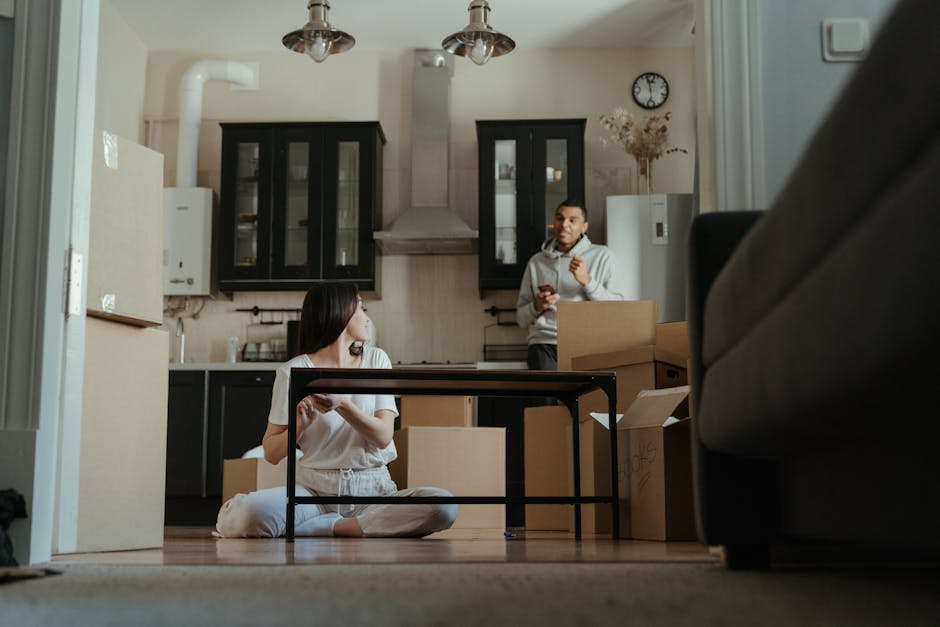
Step-by-Step Checklist for Moving a UK Studio Flat

Moving out of a studio flat in the UK can look simple on paper. Fewer rooms, fewer boxes, less furniture. Easy, right? Then the day arrives and suddenly you are trying to wrap a kettle, find a lease document, book transport, and decide whether that tiny corner shelf is worth moving at all. Truth be told, a studio move can be deceptively fiddly.
This Step-by-Step Checklist for Moving a UK Studio Flat is designed to help you keep control of the whole process, from early planning through to handing back the keys. It is practical, UK-focused, and written for real life: narrow hallways, parking restrictions, building access, last-minute cleaning, and the usual bit of moving-day chaos. If you want a calmer move and fewer surprises, you are in the right place.
One thing we see a lot: people underestimate how much time a studio flat move still takes. The space may be small, but the admin is not. And if you are moving in London or any busy UK city, there is always one awkward detail waiting to nibble at your schedule. So let's make it easier.
Why Step-by-Step Checklist for Moving a UK Studio Flat Matters
A studio flat move is small in size but big on detail. When every item in the home is living in the same room, the boundaries between packing, sorting, cleaning, and planning can blur into one long afternoon of "I'll deal with that in a minute". That is exactly where a checklist helps.
It gives you a sequence. That matters more than most people think. Without a sequence, you end up packing random bits first, leaving everyday essentials until the last hour, and then hunting for passports, chargers, or tenancy paperwork when the van is outside. Not ideal. A checklist turns the move into manageable steps, which means fewer panicked moments and a much better chance of leaving the property in good order.
It also helps with the practical realities of UK moving day. In many flats, you may need to think about lift access, stairs, shared entrances, parking permits, loading restrictions, and whether your landlord or building manager expects notice before move-out. In a studio flat, these little logistics can be the difference between a smooth exit and a frustrating delay.
Expert summary: The smaller the property, the easier it is to underestimate the work. A proper moving checklist keeps your attention on the order of tasks, not just the number of boxes.
There is also a money angle. Missed deadlines, damaged items, failed key handbacks, or unnecessary van trips can all cost more than expected. A bit of structure now can save you a fair bit later. And let's face it, moving already asks enough of your patience.
How Step-by-Step Checklist for Moving a UK Studio Flat Works
The idea is simple: break the move into clear stages, then deal with each stage before it snowballs. For a studio flat, the process usually works best in five broad phases: planning, sorting, packing, moving, and settling out.
First, you work backwards from move day. That means checking your tenancy end date, arranging access, confirming where the moving vehicle can stop, and deciding whether you will do the move yourself or use a removal service such as man and van support. A studio move can often be handled with a smaller vehicle, but do not assume that automatically means fewer logistics. Narrow streets and parking can be the real headache.
Next comes sorting. In a studio flat, duplication is rare but clutter can still build up quietly: spare cables, old toiletries, kitchen gadgets, clothes that never quite made the cut. Moving is your best chance to reduce what you carry. This is also the point where services like furniture pick-up can be useful if you are not taking bulky pieces with you.
Then you pack in a deliberate order: non-essentials first, daily-use items last. Label everything clearly. If you have ever arrived at a new flat and opened a box containing a lamp, three saucepans, and a random phone cable, you already know why this matters.
Finally, moving day and move-out checks. You clear the flat, clean it, read meters if needed, photograph the condition, and return keys once everything is ready. A proper end-of-tenancy handover can prevent awkward disputes later.
Key Benefits and Practical Advantages
A good moving checklist does more than keep you organised. It changes the whole feel of the move.
- Less stress: You do not have to carry everything in your head at once.
- Fewer forgotten items: Essentials like chargers, medication, documents, and toiletries stay on your radar.
- Better use of space: In a studio, packing efficiently matters because storage space is limited from the start.
- Lower risk of damage: Proper wrapping and sorting protect furniture, kitchenware, and fragile bits.
- More predictable timing: A move that is timed well tends to cost less in frustration and, sometimes, in actual money too.
- Cleaner handover: You are more likely to leave the property in a condition that avoids disputes.
There is also an emotional benefit that people often overlook. Moving out of a studio can feel oddly personal because the space has done everything for you: sleeping, cooking, working, storing, hosting, and sometimes a bit of all of that in the same square metre. A checklist gives the process a sense of closure. You do not just "leave"; you finish properly.
If you are moving on a tight turnaround, services like packing and unpacking services can save a lot of time. That is especially useful if you are balancing work, a tenancy deadline, or a late handover. Nobody wants to be sealing boxes at 11pm with a roll of tape that keeps sticking to itself. Annoying stuff.
Who This Is For and When It Makes Sense
This guide is useful for anyone moving out of a UK studio flat, but it is especially helpful in these situations:
- First-time renters who have never done an end-of-tenancy move before.
- Young professionals moving for work, especially in busy urban areas.
- Students leaving term-time accommodation or private studio lets.
- People downsizing who need to decide what actually earns space in the next home.
- Tenants under time pressure with a quick handover date.
- Anyone moving in or out of a compact flat where access is awkward or storage is limited.
It also makes sense if you are comparing ways to move. Some people can manage with a small vehicle and a couple of hands. Others need a full home move setup, especially if there is a bed frame, sofa bed, desk, or heavy wardrobe in the mix. If that sounds familiar, a broader service like home moves may be more appropriate than trying to do everything yourself in one run.
And yes, studio flats can still contain awkwardly large items. A single sofa bed can be more trouble than a whole kitchen cupboard. Funny how that works.
Step-by-Step Guidance
Here is the core moving checklist, broken down into practical stages. If you follow this in order, you will stay much closer to a calm, controlled move.
1. Confirm your move-out date and access details
Start with the basics. Check your tenancy end date, the time you must leave, and whether you need to hand keys back to an agent, landlord, concierge, or building office. If the flat is in a managed block, ask about lift booking, loading bays, parking permissions, and any move-out rules. These details are easy to miss, and they can create a real mess on the day.
Also check whether there are restrictions on large vehicles. If your street is narrow, a smaller vehicle such as a moving truck or van may be more practical than a larger lorry. The goal is not just to move things. It is to move them without spending half the morning circling the block.
2. Measure the new space before you pack
Studio flats often force smarter decisions. Measure the new room, doorway widths, and any awkward corners. If your current bed base, desk, or shelving unit is only just making it out of the old flat, it may be worth checking whether it will realistically fit and function in the new one.
This is the moment to be honest with yourself. Do you really need that bulky chair that has been "temporarily" in the corner for eleven months? Maybe not.
3. Sort what stays, what goes, and what can be donated or recycled
Split your belongings into four groups: keep, donate, recycle, and dispose. Studio flats reward ruthless editing because the storage is already limited. Be practical. If something has not been used in a year and is not valuable, it may be more useful out of your life than in your next box.
For items that need responsible disposal, check whether a rubbish removal or recycling service can help. A company with a clear approach to recycling and sustainability is often a better fit than simply binning everything in one go.
4. Gather packing materials early
Do not leave this until the night before. You will need sturdy boxes, packing tape, bin bags, labels, marker pens, wrapping paper or bubble wrap, and maybe wardrobe boxes if you are moving a lot of clothes. A small flat still generates a surprising amount of packaging once you start properly.
Get extra tape. Always extra tape. The roll you think is nearly full is, somehow, always finished when your hands are covered in dust and you are trying to seal the last box. Moving has a sense of humour like that.
5. Pack non-essential items first
Begin with things you do not use every day: books, spare bedding, seasonal clothing, decorative items, and backup kitchenware. For a studio flat, this step can happen faster than in a larger home, but resist the temptation to throw everything into boxes without order. Keep similar items together and label clearly.
Useful labels include room, contents, and priority. For example: "Kitchen - mugs and cutlery - open first." That small bit of detail makes unpacking far less painful.
6. Set aside an essentials bag or box
This is one of the most important parts of the whole process. Keep a separate bag or box with your first-day essentials: ID, keys, phone charger, medication, toiletries, toilet paper, snacks, a change of clothes, and basic cleaning supplies. If you are travelling between homes or waiting for access, this little kit is a lifesaver.
Think of it as your moving-day survival pack. Not glamorous, very useful.
7. Disassemble furniture carefully
If you have a bed frame, shelving, table, or desk to dismantle, keep screws and fittings in labelled bags taped to the relevant item. That simple habit saves hours later. In a studio move, even one or two pieces of flat-pack furniture can eat up space quickly once disassembled, so stack them neatly and protect edges with blankets or cardboard.
If furniture is not worth moving, consider arranging a furniture pick-up so it does not become an awkward last-minute problem.
8. Clean as you go, not only at the end
Studio flats are easier to clean than larger homes, but they also show dust and grease quickly because everything is close together. Wipe shelves, clean the hob, empty cupboards, and vacuum corners as soon as they become exposed. You will thank yourself later when the room is nearly empty and you are not facing a grim, all-at-once cleaning job.
This is especially helpful if you are hoping for a smooth deposit return process. While deposit outcomes depend on the tenancy, the condition you leave the property in absolutely matters.
9. Carry out the final property check
Before you leave, look behind doors, inside cupboards, under the bed, and in the bathroom cabinet. Check sockets, windows, and storage spaces. Studio flats are notorious for hiding one last cable, one earring, or that spare adapter you only notice after the keys are gone.
Take photos of the property condition and meter readings if relevant. Keep them safely stored. That bit of evidence can be useful if anything is queried later.
10. Hand over the keys and confirm the move is complete
Finally, return keys exactly as instructed and confirm the handover. If the landlord, agent, or building manager expects them in a particular place, follow that process carefully. Keep a note of who received them and when.
Then take a breath. Seriously. That moment when the flat is empty and quiet has a very particular feeling to it. A strange one, maybe. But also a good one.
Expert Tips for Better Results
Here are the things that make a studio move noticeably easier, based on what usually goes wrong for people in real life.
- Book help earlier than you think you need to. The most convenient slot is often the one that disappears first.
- Use the natural layout of the studio. Pack by zones: kitchen, wardrobe, bathroom, desk, storage.
- Do one bag of clutter at a time. Do not create a "maybe" pile that sits there for three days.
- Keep soft items for padding. Towels, clothes, and bedding can protect breakables and save space.
- Label by priority, not just by room. "Open first" is often more useful than "miscellaneous".
- Plan for rubbish. Every move creates waste. Having a disposal plan avoids last-minute bin drama.
One small but useful trick: pack your cleaning supplies separately but keep them accessible. In many studio moves, the final clean happens after most boxes are already out, so the last thing you want is to dig through three bags to find the cloth.
If you are unsure whether you need moving help or just a vehicle, a service like man with van can be a sensible middle ground. It is often the right fit for compact moves where you want flexibility without booking something oversized.
Common Mistakes to Avoid
A studio flat move is usually straightforward, but there are a few recurring mistakes that make it harder than it needs to be.
- Underestimating packing time: Small home, yes. Fast move, not always.
- Leaving sorting until move day: That is how clutter gets boxed up and moved unnecessarily.
- Forgetting access rules: Parking and loading restrictions can cause delays you did not budget for.
- Not keeping essentials separate: This is the classic "where is my toothbrush?" problem.
- Ignoring disposal needs: Old furniture and broken items rarely sort themselves out.
- Not checking the flat properly at the end: One forgotten drawer can become a very annoying second trip.
Another common issue is assuming every item should be moved because it was once bought. That is not a rule. If something is tired, broken, too large, or simply no longer fits the next place, it may be better to let it go. Painful? Sometimes. Worth it? Usually, yes.
Tools, Resources and Recommendations
You do not need a fancy system to move well, but a few simple tools help a lot.
- Boxes: small and medium boxes are best for a studio because they are easier to carry and stack.
- Packing tape and labels: basic, but essential.
- Markers: use thick, readable writing. Tiny labels fade into moving-day chaos.
- Blankets or towels: useful for protecting mirrors, screens, and furniture edges.
- Storage bags: handy for bedding, clothing, and soft items.
- Checklist notes app or paper planner: use whichever you actually look at.
For transport, compare the size of the load to the access at both addresses. If there are stairs, no lift, or difficult parking, a smaller vehicle may be more practical than a larger one. If you are moving more than just a few boxes and a bed frame, checking removal truck hire options can help you judge what size vehicle makes sense.
If you want broader support, keep an eye on services like packing and unpacking services and pricing and quotes so you can compare support levels before the move gets too close.
Law, Compliance, Standards, or Best Practice
Moving a studio flat is not usually a heavily regulated process, but there are still legal and practical points to keep in mind. In the UK, your tenancy agreement remains the first place to check for move-out requirements, notice periods, cleaning expectations, key return rules, and responsibilities for damage or rubbish removal.
If you live in a managed block, you may also need to follow building rules around lift use, loading, quiet hours, and parking. These are not minor details when you are trying to get boxes down stairs without upsetting neighbours or breaching house rules. Better to ask first.
It is also sensible to think about health and safety. Heavy lifting, awkward furniture, and repeated bending can all cause injuries if rushed. Basic precautions matter: wear suitable shoes, lift with care, keep pathways clear, and do not attempt to carry loads that are too heavy or unstable. If you are using a removal company, checking their health and safety policy and insurance and safety information is a sensible step, not overkill.
For payment, booking terms, and service expectations, it is worth reviewing the provider's terms and conditions and payment and security information before confirming anything. A straightforward move is always better when everyone knows what is included.
Best practice in a studio move is simple: communicate early, protect the property, avoid unnecessary waste, and leave the flat in a clean and orderly condition. That is the standard most tenants should aim for, and it usually pays off in reduced stress.
Options, Methods, or Comparison Table
Choosing the right moving method depends on how much you have, how far you are going, and how much help you want. A studio flat may be compact, but the best approach still varies a lot.
| Option | Best for | Pros | Trade-offs |
|---|---|---|---|
| Self-move with a car | Very light loads, short distance, a few boxes | Low cost, flexible timing | Limited space, multiple trips, more lifting |
| Man and van | Small studio moves, flexible loading, moderate furniture | Practical, usually quicker, easier for awkward access | Still requires good packing and planning |
| Removal truck hire | Bulkier studio contents or longer moves | More capacity, fewer trips | May be unnecessary for very small loads |
| Full moving support | Busy schedules, fragile items, limited time | Less stress, more help with packing and handling | Usually costs more than doing it yourself |
For many studio flats, the middle option works well. A compact move usually benefits from flexibility rather than maximum vehicle size. If you are unsure, it can help to look at man and van and home moves as reference points rather than assuming one size fits all.
Case Study or Real-World Example
Here is a realistic example. A tenant in a one-room studio in South London had to move out by a Friday afternoon. The flat contained a bed frame, compact desk, dining chair, clothes rail, kitchen essentials, and a handful of awkward extras that had been accumulated over two years. Nothing huge, but enough to feel overwhelming when all sitting in the same room.
Instead of packing randomly, they worked in stages. On Monday, they sorted out donations and broken items. On Tuesday, they packed books and decorations. On Wednesday, soft items were sealed into bags and used as padding. On Thursday evening, only essentials remained. The bed frame was dismantled last, and the flat was cleaned in sections as each area opened up.
On moving day, the essentials box was kept separate, the path from door to vehicle was clear, and the handover went smoothly. No frantic search for documents. No mystery cables. No surprise second trip for the kettle. It was not glamorous, but it worked.
The lesson is simple: for a studio move, doing a little each day is usually better than trying to "smash it all out" at the end. That last-minute scramble tends to create more rubbish, more stress, and more bruised patience than anything else.
Practical Checklist
Use this as a working checklist for your move. You can print it, copy it into your phone notes, or scribble it on the back of an envelope if that is how you roll.
- Confirm your move-out date and key handover instructions.
- Check lift access, parking rules, and any building restrictions.
- Measure the new space and decide what is worth keeping.
- Separate items into keep, donate, recycle, and dispose.
- Arrange disposal or collection for unwanted furniture and bulky items.
- Buy boxes, tape, labels, and wrapping materials early.
- Pack non-essential items first.
- Create one essentials bag or box for the first night.
- Dismantle furniture safely and label fixings clearly.
- Clean rooms as they empty rather than leaving it all for the end.
- Photograph the property condition and any meter readings if needed.
- Check cupboards, drawers, sockets, and under furniture before leaving.
- Return keys and confirm the handover.
- Keep records of any booking, payment, or handover messages.
If you need a more hands-on service for boxes, furniture, or items you are not taking, you may also want to review about us alongside the practical service pages so you can judge whether the support feels right for your move.
Conclusion
A studio flat move does not need to be chaotic. With a sensible order, clear labels, early sorting, and a realistic view of what you actually want to keep, the whole process becomes much more manageable. The key is not speed for its own sake. It is structure.
If you follow this checklist, you will give yourself a calmer moving day, a cleaner handover, and a much better chance of settling into the new place without the lingering headache of forgotten jobs. That is the real win, honestly.
Get a free quote today and see how much you can save.
And if you are still standing in the middle of the old studio wondering how all of this fitted into one room, that is normal. Take it one step at a time. You will get there.
Frequently Asked Questions
How far in advance should I start moving a studio flat?
Ideally, start planning two to four weeks ahead if you can. That gives you enough time to sort belongings, arrange transport, and deal with any access issues without rushing. If your move is last-minute, focus first on essentials, storage, and disposal.
What is the best way to pack a studio flat for moving?
Pack by category and priority. Start with non-essential items, keep daily-use items for the end, and use soft items like towels and bedding to protect breakables. In a studio, clear labelling matters more than in a larger home because everything tends to be packed tightly together.
Should I use a van or a full removal truck for a studio move?
It depends on what you own and how awkward the access is. A van or man-and-van service often suits a typical studio flat well, especially if you have a few furniture pieces. A full removal truck makes more sense if you have larger items, multiple loads, or a long-distance move.
How do I decide what to keep when moving from a studio?
Use a simple test: keep items that are useful, in good condition, and worth the space they will take in the next home. If something is broken, duplicate, or has not been used in ages, it may be better to donate, recycle, or dispose of it before moving.
What should go in my essentials box?
Put in your ID, keys, phone charger, medication, basic toiletries, toilet paper, a change of clothes, snacks, and any important documents. Think of it as everything you need to function for the first 24 hours without hunting through boxes.
Do I need to clean the studio flat before I leave?
In most tenancy situations, yes, you should leave the property in a clean and tidy condition in line with your agreement. A final clean is one of the easiest ways to reduce avoidable disputes. Even a small flat can hide dust, grease, and forgotten crumbs in awkward corners.
What happens if I forget something after handing over the keys?
It happens more often than people admit. Contact the landlord, agent, or building manager as soon as possible and explain clearly what was left behind. The sooner you act, the easier it is to arrange a return visit or recovery.
Can I move a studio flat by myself?
Yes, if the load is light and you have safe access. But many studio moves are easier with at least one extra pair of hands, especially for furniture, stairs, or long walks from the property to the vehicle. Safety and convenience matter more than proving a point.
How can I avoid damage during a studio move?
Use strong boxes, do not overfill them, wrap fragile items properly, and keep furniture protected with blankets or padding. Make sure paths are clear before lifting. Damage usually happens when people rush or carry more than they should, which is fair enough in the moment but costly later.
What if I have furniture I do not want to take?
Arrange disposal or collection before move day so it does not become a last-minute problem. Bulky furniture can be awkward to shift at the end of a tenancy. If it is still usable, consider donation or a pick-up service rather than leaving it to the final hour.
Is a studio flat move cheaper than moving a larger flat?
Usually yes, but not always by as much as people expect. The main cost drivers are transport, labour, access, packing support, and disposal needs. A small flat with difficult parking or heavy furniture can still be more involved than a bigger flat with easy ground-floor access.
What is the biggest mistake people make when moving a studio flat?
The biggest mistake is treating it as too small to need a plan. Studio moves are compact, but they still involve sorting, packing, access, cleaning, and handover details. A checklist prevents all of those jobs from colliding at once.